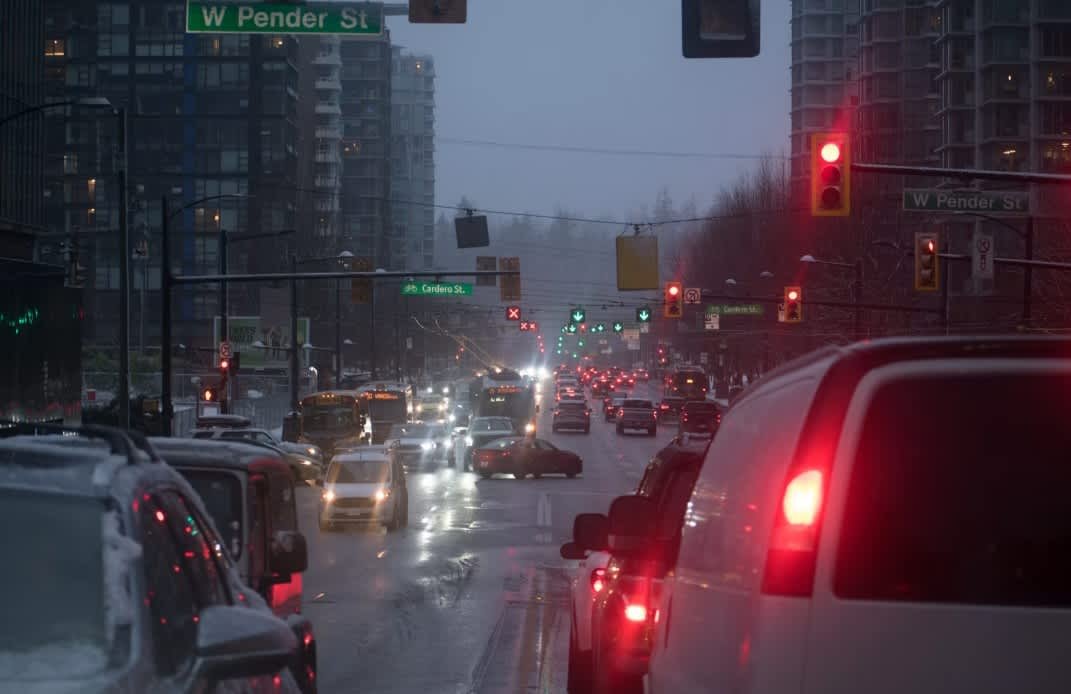
Southern California accounts for a disproportionate share of the state’s rideshare activity, and the crash numbers reflect it. About 64 percent of all California rideshare trips are concentrated in just three counties, including San Diego, according to San Francisco County Transportation Authority research. San Diego alone logged 115 traffic deaths in 2024, a 47.4 percent increase from 78 deaths in 2014, based on UC Berkeley TIMS data, and Orange County has seen a similar pattern as Uber and Lyft usage grows in cities like Irvine, Anaheim, and Newport Beach. Sorting out fault in these cases takes an attorney who understands how rideshare companies structure their defense. Perry Law Firm, a full service personal injury firm representing clients across San Diego, Orange County, and Southern California, was founded by attorney Liam Perry after years spent litigating on behalf of some of the country’s largest insurance companies. Giving the firm direct insight into how those same companies approach a disputed rideshare claim.
This article looks at why Southern California rideshare crashes keep climbing and what makes these cases legally distinct from an ordinary car accident.
The Regional Scale of the Problem
Southern California’s freeway network carries rideshare traffic across county lines constantly, from a late night pickup in the Gaslamp Quarter to an airport run near John Wayne Airport in Orange County. A California Public Utilities Commission presentation found rideshare drivers statewide were involved in more than 1,100 traffic accidents per month, a figure that has almost certainly grown alongside rideshare adoption. From a Southern California rideshare passenger’s perspective, the sheer density of trips across San Diego and Orange County means a crash is rarely an isolated event tied to one bad driver, but rather a predictable outcome of how many vehicles are circling for fares at any given moment.
Driver Incentives That Encourage Risk
Rideshare drivers earn money per completed trip rather than per hour, and researchers estimate drivers spend 40 to 60 percent of their time on the road without a paying passenger. This pay structure creates real financial pressure to drive faster between fares and accept as many rides as possible during peak hours. From the driver’s own perspective, the constant push to reach the next pickup competes directly with the kind of cautious, unhurried driving that prevents crashes in dense Southern California traffic.
App Based Distraction Behind the Wheel
Drivers must monitor a phone screen for new ride requests, turn by turn navigation, and passenger messages, often while merging across multiple freeway lanes. Interstate 8 near the Interstate 8 and Interstate 15 interchange in San Diego recorded 76 crashes in 2024 alone, with 40 percent involving unsafe lane changes, according to Allstate’s 2024 dangerous roads ranking. From an insurance adjuster’s perspective, phone based distraction is difficult to prove without a formal records request, which is why pulling app activity logs early in a case matters.
Unfamiliar Neighborhoods and Rushed Navigation
Rideshare drivers frequently accept fares in neighborhoods they rarely visit, relying entirely on an app rather than local knowledge. An Orange County collision data analysis produced in partnership with a data visualization firm identified specific high risk intersections across the county where this kind of unfamiliarity contributes to repeated crashes. From a local resident’s perspective, longtime Orange County drivers often recognize these problem intersections instantly, while an out of town rideshare driver following a navigation app has no such advantage.
How California Law Treats Rideshare Drivers
Because Proposition 22, passed by California voters in November 2020 and upheld by the California Supreme Court in July 2024, classifies rideshare drivers as independent contractors rather than employees, Uber and Lyft face narrower circumstances under which they can be held directly responsible for a driver’s negligence. This legal structure shapes nearly every Southern California rideshare claim from the outset. From a court’s perspective, proving a rideshare company’s own negligence, such as inadequate driver vetting, requires different evidence than simply proving the driver caused the crash.
Insurance Coverage That Shifts by the Minute
A rideshare crash can fall under the driver’s personal policy, the company’s limited coverage while waiting for a request, or the company’s full policy once a passenger is inside the vehicle. This layered structure exists specifically because rideshare trips move through distinct phases, and the applicable coverage can change the moment a driver accepts a new request. Senate Bill 371, part of California’s 2025 legislative session, adjusted the statutory minimum uninsured and underinsured motorist coverage rideshare companies must provide starting in 2026, changing protections for passengers hit by an uninsured driver. From an injured passenger’s perspective, figuring out which of these overlapping policies applies at the exact moment of a crash is often the single most confusing part of a Southern California rideshare claim.
What Southern California Riders Should Take From This
Rideshare crashes across San Diego and Orange County stem from a mix of driver pay incentives, app based distraction, unfamiliar routes, and a legal and insurance structure that treats these cases differently from an ordinary two car collision. With California’s rideshare laws still evolving through measures like Senate Bill 371, the rules governing who pays after a crash continue to shift even as trip volume keeps climbing across the region. Southern California’s mix of dense urban corridors and long distance freeway commutes means these risk factors are unlikely to fade regardless of how the law continues to change. Anyone injured as a rideshare passenger, driver, or third party in Southern California benefits from requesting trip data and insurance information as early as possible, before records become harder to obtain.