Metro Atlanta traffic follows a predictable rhythm. Rideshare crashes, however, do not occur evenly throughout the day. Certain periods create more opportunities for collisions because of heavier traffic, increased rideshare demand, driver fatigue, distracted driving, and crowded pickup areas.
Fulton County alone recorded 51,572 crashes in 2024, including 944 suspected serious injuries and 93 fatalities, according to the Georgia Governor’s Office of Highway Safety. Those numbers provide important context for anyone trying to understand the risks facing rideshare passengers and drivers across Atlanta.
For people injured in an Uber or Lyft crash, the time and location of the collision can help establish what happened and which insurance coverage may apply. Those details can become especially important when a rideshare claim involves multiple insurance policies or questions about the driver’s status at the time of the crash. If the collision leaves you dealing with medical bills, lost income, or an insurance claim, firms like Spaulding Injury Law can help Atlanta rideshare accident victims understand their legal options.
This article looks at when Atlanta rideshare crashes are more likely to happen and the conditions that can contribute to them.
The Morning Commute Squeeze
Atlanta’s morning commute puts rideshare vehicles into some of the busiest traffic of the day.
Interstates such as I-85 and I-20 carry large volumes of commuters, commercial vehicles, and rideshare drivers traveling toward downtown and surrounding employment centers. Traffic can quickly shift from moving at highway speeds to stop-and-go congestion.
That creates several collision risks.
Drivers may need to brake suddenly when traffic slows. Lane changes become more frequent as motorists try to avoid congestion. Rideshare drivers may also be watching navigation directions while looking for pickup locations.
The result is a driving environment where a small mistake can quickly become a rear-end collision, sideswipe, or multi-vehicle crash.
Georgia recorded more than 367,000 crashes statewide in 2024, according to Governor’s Office of Highway Safety data. While statewide totals do not establish that every morning crash involves a rideshare vehicle, they illustrate the scale of traffic exposure drivers face across Georgia.
Midday Rideshare Traffic Can Create Different Risks
The middle of the day may bring less congestion than rush hour, but rideshare drivers are still constantly moving between pickup and drop-off locations.
A driver may receive a request in an unfamiliar neighborhood, follow a navigation system through complicated intersections, or pull over unexpectedly when a passenger requests a pickup.
Distracted driving is another concern. Georgia highway safety data identified distraction as a suspected factor in a substantial share of fatal crashes in recent years.
For a rideshare passenger, even a short trip can involve multiple potential distractions. The driver may be managing navigation, communicating with the passenger, watching traffic, and responding to the rideshare platform at the same time.
That does not automatically establish fault. But when a crash occurs, investigators may need to determine what the driver was doing immediately before impact.
Evening Rush Hour on Atlanta’s Major Highways
Atlanta’s evening commute creates another high-risk period for collisions.
The Downtown Connector, I-285, and other major routes can become heavily congested as workers leave downtown and travel toward surrounding communities. Rideshare demand can increase at the same time as people request transportation from offices, restaurants, hotels, entertainment districts, and transit stations.
More vehicles and more frequent lane changes can increase the likelihood of a collision.
The situation becomes even more complicated when several vehicles are involved.
A crash involving one rideshare vehicle and another motorist may appear straightforward. But a chain-reaction collision can involve multiple drivers, passengers, vehicles, and insurance policies. Determining who caused the initial impact and whether another driver contributed to the injuries may require additional evidence.
Late-Night Rideshare Demand and Driver Fatigue
Atlanta’s nightlife creates a different type of rideshare traffic.
Areas such as Midtown and Buckhead can experience increased rideshare activity late at night, particularly on Fridays, Saturdays, and nights surrounding major events.
Drivers may also spend longer periods on the road during these high-demand windows.
Fatigue can affect reaction time, attention, and decision-making. However, simply proving that a crash occurred late at night does not prove that a driver was fatigued.
Evidence matters.
Trip records, driver activity, timestamps, crash reports, electronic records, witness statements, and other information may help establish what happened before a collision.
This is one reason preserving relevant rideshare records can become important after a serious crash.
Weekend Events Create Crowded Pickup and Drop-Off Areas
Atlanta’s major sporting events, concerts, festivals, and nightlife can create sudden concentrations of rideshare vehicles.
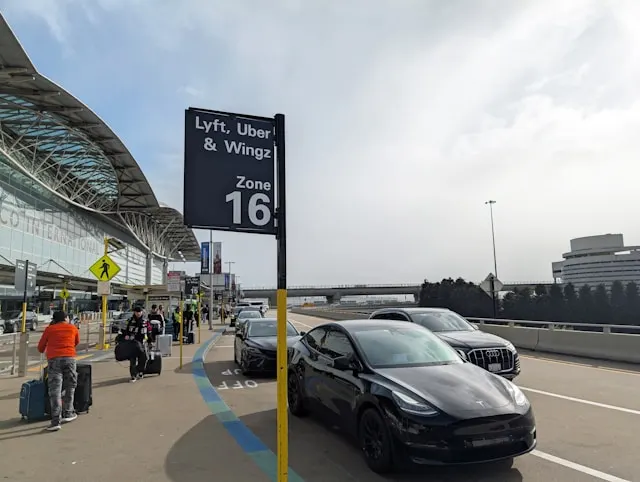
Pickup and drop-off areas can become especially difficult to navigate when dozens of vehicles are competing for limited curb space.
A driver may stop unexpectedly to collect a passenger. Another vehicle may attempt to pass. Pedestrians may cross between vehicles. Traffic may back up into an adjacent lane.
These conditions create opportunities for rear-end collisions, sideswipes, pedestrian accidents, and other types of crashes.
Speed can also become a factor after traffic clears. A driver who has spent several minutes moving through congestion may accelerate once the roadway opens.
The specific circumstances still matter. A rideshare crash near an event venue is not automatically caused by congestion or speeding. Investigators must look at the evidence surrounding that particular collision.
The Insurance Maze After an Atlanta Rideshare Crash
The time of the crash can matter for another reason: rideshare insurance coverage can depend on what the driver was doing on the platform when the collision occurred.
A driver’s personal auto policy may apply in some circumstances. Rideshare coverage may become relevant when the driver is logged into the app and waiting for a request. Different coverage may apply once the driver has accepted a trip or is transporting a passenger.
The exact facts matter.
This means an injured passenger should not assume that the driver’s personal insurance is automatically the only policy available. The driver’s rideshare status at the time of the collision can affect the insurance analysis.
For that reason, documenting the crash time, location, trip status, driver information, and passenger status can be useful when investigating a potential claim.
What Atlanta Rideshare Passengers Should Understand
Atlanta rideshare crashes can happen during any part of the day, but different periods create different traffic conditions.
Morning commuters face dense highway traffic. Midday rides can involve unfamiliar routes and frequent pickups. Evening traffic increases vehicle density on major Atlanta corridors. Late-night rides can involve increased rideshare demand and longer driving hours. Major events can create crowded pickup zones that introduce another set of risks.
The time of the crash is only one piece of the investigation.
The location, road conditions, driver behavior, rideshare status, medical records, witness accounts, police reports, vehicle damage, and available insurance coverage can all help establish what happened and what a claim may involve.
If you were injured while riding in an Uber or Lyft in Atlanta, Spaulding Injury Law can help you understand the legal and insurance issues surrounding a rideshare accident claim. The firm focuses on personal injury matters, including motor vehicle accidents, and can evaluate the circumstances of a collision to determine what legal options may be available.
The most important step is to preserve the details while they are still fresh. Record the exact time and location of the crash, save your rideshare trip information, obtain medical documentation, and preserve photographs or other evidence from the scene. Those details can become important when determining how the crash happened and which parties or insurance policies may be involved.