Florida sees a car accident roughly every 44 seconds, according to the Florida Department of Highway Safety and Motor Vehicles, and rideshare vehicles make up a growing share of that traffic in cities from Stuart to Gainesville to Daytona Beach. Statewide, 339,038 traffic accidents were reported through the FLHSMV’s 2024 preliminary data, with 143,155 of those crashes resulting in injuries. Most Florida rideshare crashes trace back to one of three broad categories of risk, and understanding which category applies often shapes how a claim gets built.
Environmental Risk Unique to Florida Roads
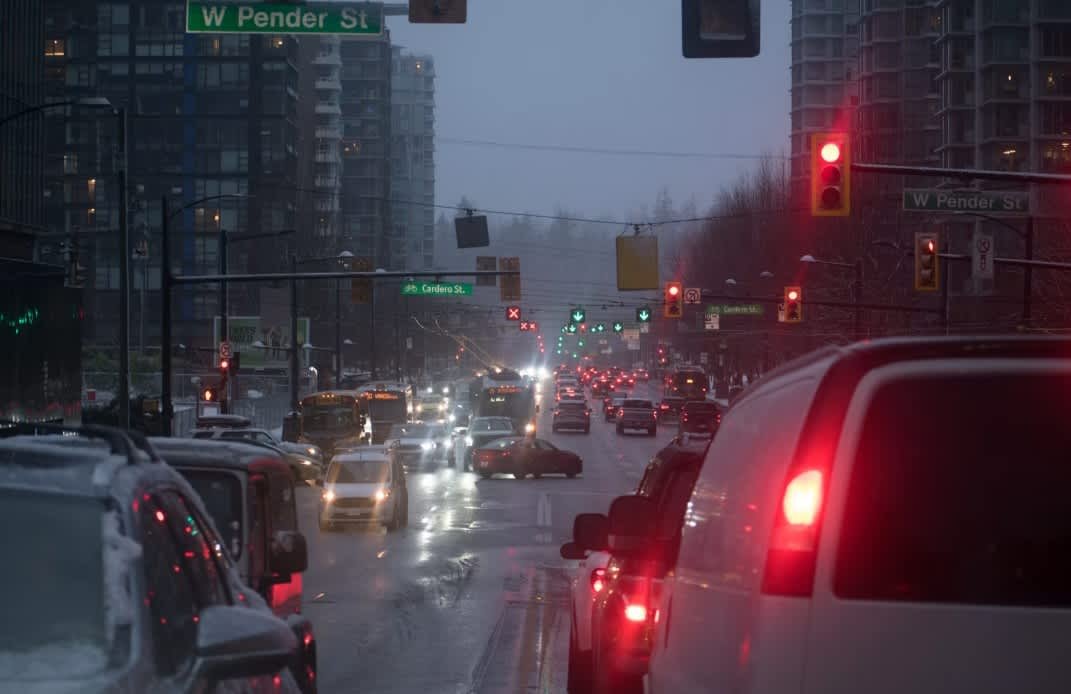
Florida’s hurricane season brings sudden flooding, downed signals, and debris on roadways across the state, and rideshare drivers under pressure to keep completing trips sometimes continue driving through conditions that call for stopping entirely. Florida’s tourist population adds another environmental layer, since visiting drivers unfamiliar with local roads combine with rideshare vehicles making frequent stops near hotels and attractions. From a rideshare passenger’s perspective, a driver willing to pause a shift during severe weather or heavy tourist congestion is showing exactly the kind of judgment that prevents a serious crash before it starts.
Human Factors Behind the Wheel
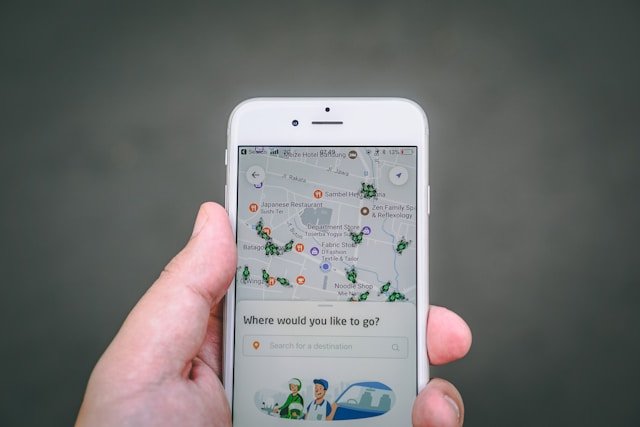
The FLHSMV reports that one in seven Florida crashes is caused by distracted driving, and the agency notes this estimate is likely low given how difficult distraction is to document after the fact. Constant phone notifications for new ride requests, turn by turn navigation, and passenger messages all compete for a driver’s attention during a single trip. Fatigue compounds this risk, since drivers working long stretches to reach weekly bonus thresholds appear repeatedly in Florida rideshare crash patterns, particularly during the 100 days between Memorial Day and Labor Day, a period state safety officials call the deadliest stretch of the year for teen and young adult drivers. From an insurance adjuster’s perspective, fatigue is difficult to prove without trip logs, which makes early evidence requests critical in any disputed Florida rideshare case.
Why Geographic Reach Matters for a Florida Rideshare Claim
A rideshare accident can happen anywhere in Florida, and the location of the collision can affect how the claim is investigated.
A crash in Stuart may involve different road conditions, witnesses, traffic patterns, and local records than a collision in Gainesville or Daytona Beach. The same is true for accidents near airports, tourist destinations, major highways, and densely populated areas.
Location can also affect practical aspects of a claim, including where the crash report was filed, where witnesses are located, where medical treatment occurred, and which court may have jurisdiction if a lawsuit becomes necessary.
This is particularly relevant when a rideshare claim involves several potential sources of responsibility. The investigation may need to connect the driver’s actions with the roadway conditions, the rideshare trip, the other vehicles involved, and the insurance policies covering the collision.
For injured passengers, choosing a law firm that regularly handles Florida personal injury and rideshare cases can make it easier to investigate those different pieces of the claim. Eberst Law serves injury clients from offices in Stuart, Gainesville, and Daytona Beach, providing a Florida-based legal resource for people dealing with accident claims in different parts of the state.
Structural and Legal Risk Factors
Florida ranks third in the nation for fatal accidents, according to Wise Voter analysis of FLHSMV data, and speeding on corridors like Interstate 95 remains one of the most common contributing factors as drivers move quickly between pickups. Right of way violations add another structural risk, since rideshare drivers making frequent stops for pickups and drop offs increase the frequency of close calls at busy intersections near hotels, campuses, and entertainment districts. Florida recorded 2,589 total traffic deaths through 2024 preliminary data, a figure that reflects how these structural risks compound across the state’s busiest corridors. From a court’s perspective, a rideshare company’s own GPS speed data often becomes decisive evidence when a speeding allegation gets disputed in one of these structural risk cases.
The Insurance Layer That Applies Regardless of Cause
Whatever combination of environmental, human, or structural risk caused a specific crash, the resulting Florida rideshare claim runs into the same layered insurance question. Coverage can fall under the driver’s personal policy, the rideshare company’s limited coverage while waiting for a request, or the company’s full coverage once a passenger is inside the vehicle. From an injured passenger’s perspective, sorting out which policy applies at the exact moment of the crash is often the most confusing part of any Florida rideshare claim, regardless of which category of risk actually caused it.
Why Sorting the Crash Into a Category Actually Helps
Identifying whether a crash grew out of environmental conditions, driver behavior, or a structural road hazard is not just an academic exercise. Each category points toward a different type of evidence, from weather records and hurricane advisories to trip logs and GPS speed data to intersection design reports. From a witness’s perspective, being able to describe which category a crash fell into, rather than just what happened, often helps an attorney move faster in the earliest days of a claim.
What Florida Rideshare Passengers Should Understand
Florida’s combination of hurricane season hazards, heavy tourist traffic, distracted and fatigued drivers, and a legal structure that varies by region creates a distinct set of risks for rideshare passengers across the state. Sorting a specific crash into one of these three risk categories often helps identify what evidence matters most for building a claim. Anyone injured in a Florida rideshare accident should request trip data, the police report, and applicable insurance details as early as possible, since this information is not always preserved indefinitely by rideshare companies.